
Development
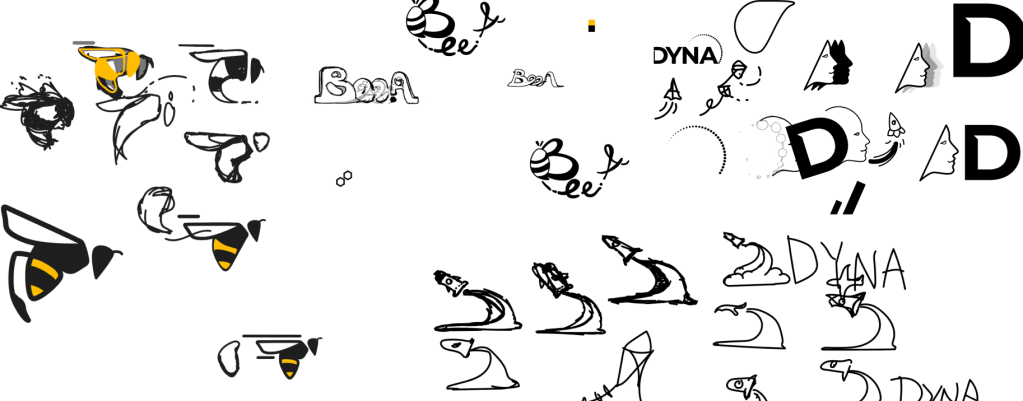
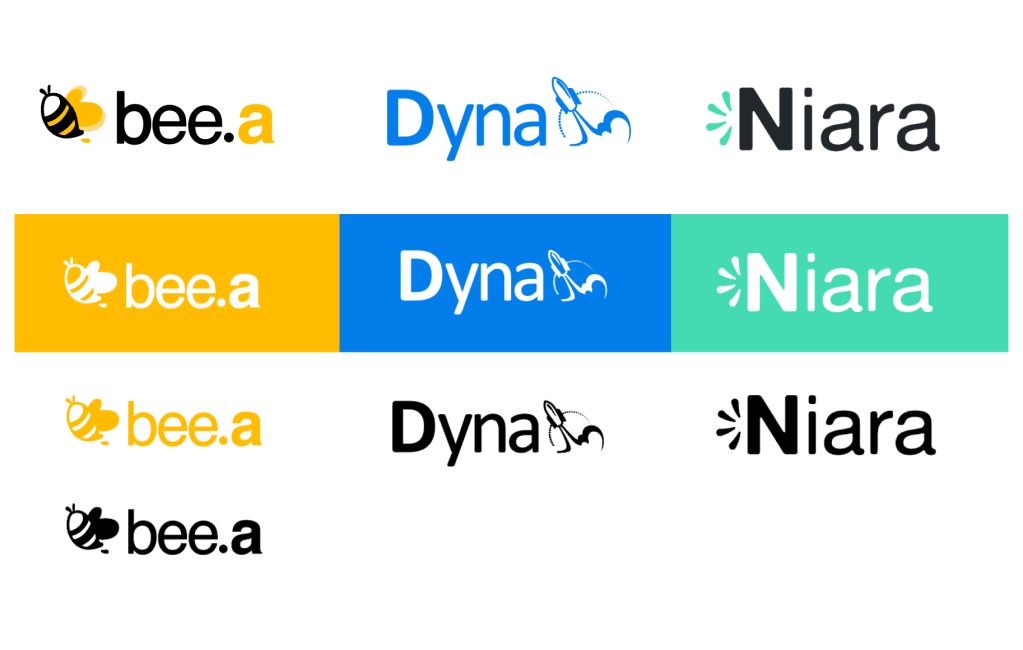
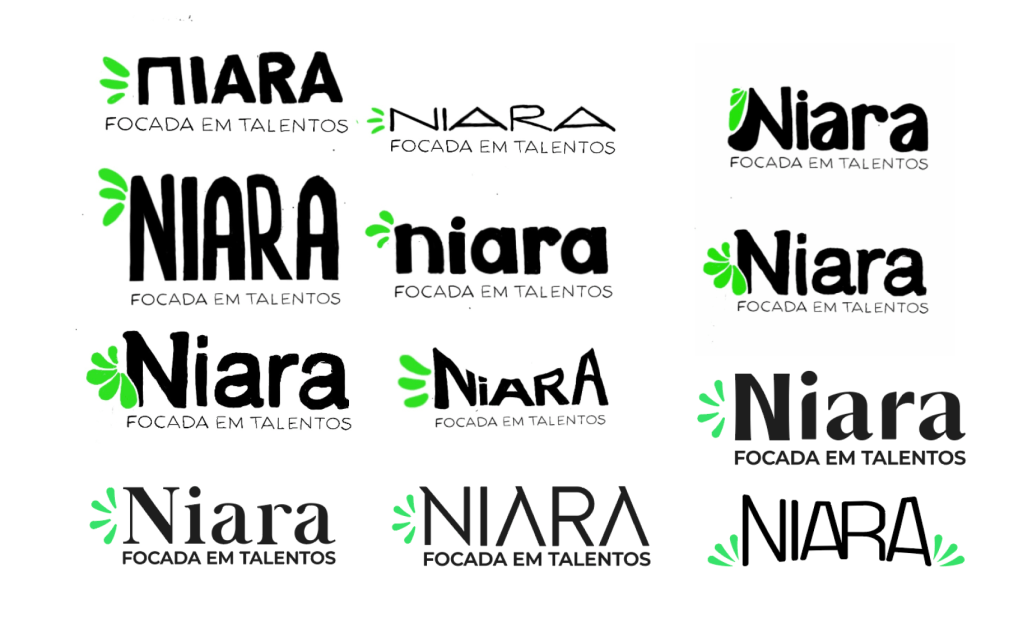
It all started with the idea of a platform that would connect companies and talent in a more fluid and intelligent way. The first major challenge was choosing the name. Among three alternatives, we conducted a careful analysis considering identity, sound, domain availability and alignment with the business purpose. After testing and strategic discussions, the winning name was chosen, a milestone that kicked off the brand’s construction.
Naming Definition
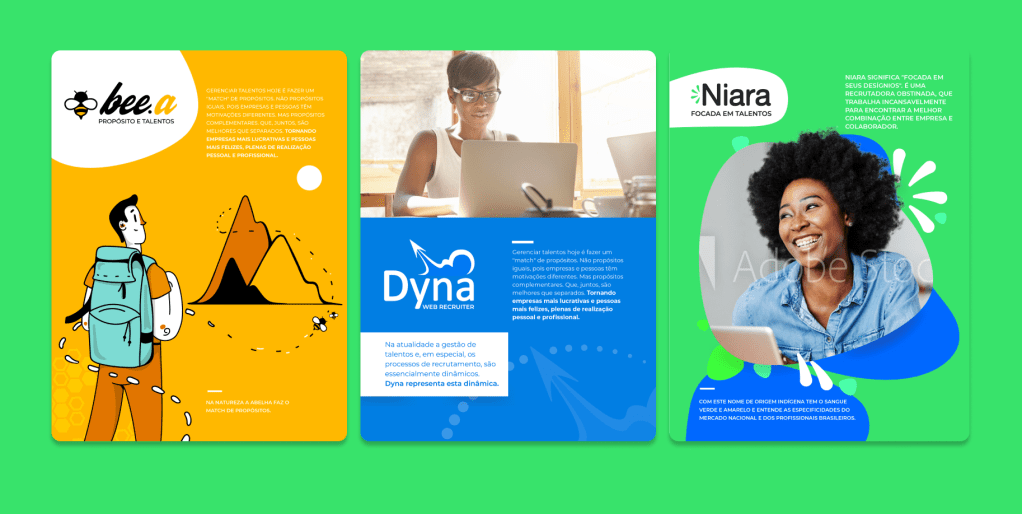
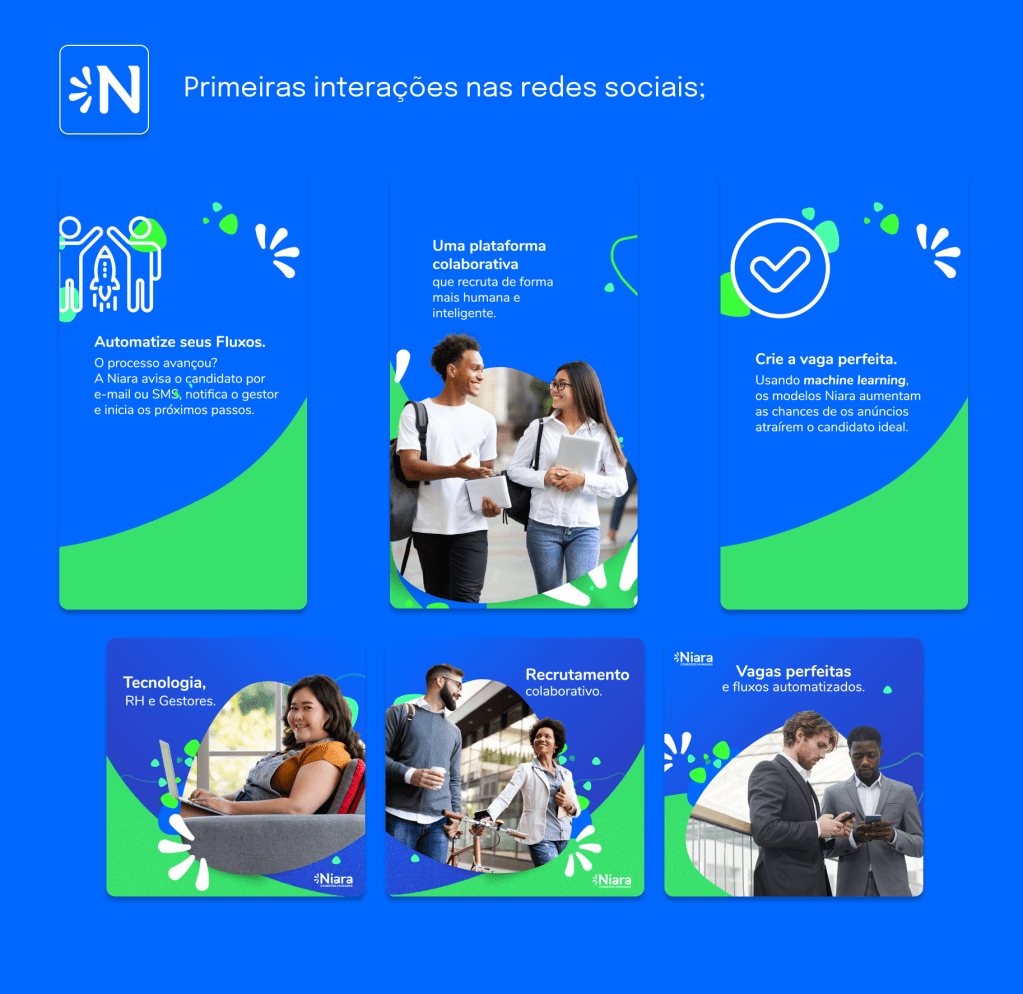
From there, we dove into defining the visual identity and tone of voice. We created guidelines that balanced professionalism and approachability, thinking of both HR managers and candidates. The chosen tone guided the creation of the first online pieces, such as social media posts, launch emails and presentation materials for investors and partners.
Practical Applications
With the brand established, we moved on to developing the platform itself. The product was structured around two main fronts: on one side, HR managers could easily post job openings, specifying requirements, stages and differentials. On the other, candidates could apply according to different profiles, from early-career professionals to specialists with extensive experience.
Application Curation
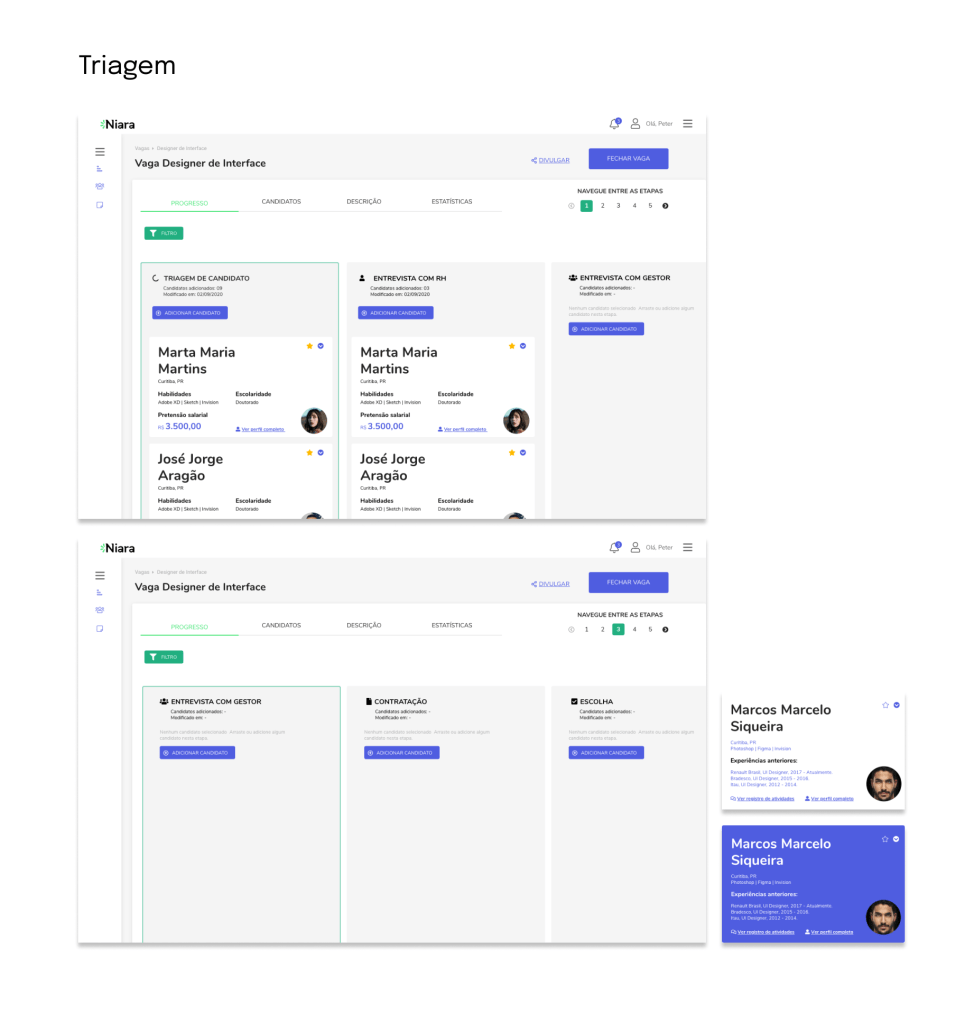
The platform also featured a smart curation system that organized and pre-selected applications based on criteria set by recruiters. This sped up screening and let managers focus on the profiles most aligned with each opportunity.
The process concluded with the hiring of the chosen candidate and the closing of the position within the platform, a complete cycle that combined usability, efficiency and purpose.
Hiring and Closing the Position
The platform’s biggest differentiator was providing a clear, integrated journey for both those offering and those seeking opportunities. Each posted job gained a dedicated page, which served as the central point for all interaction between managers and candidates.
HR Manager’s Journey
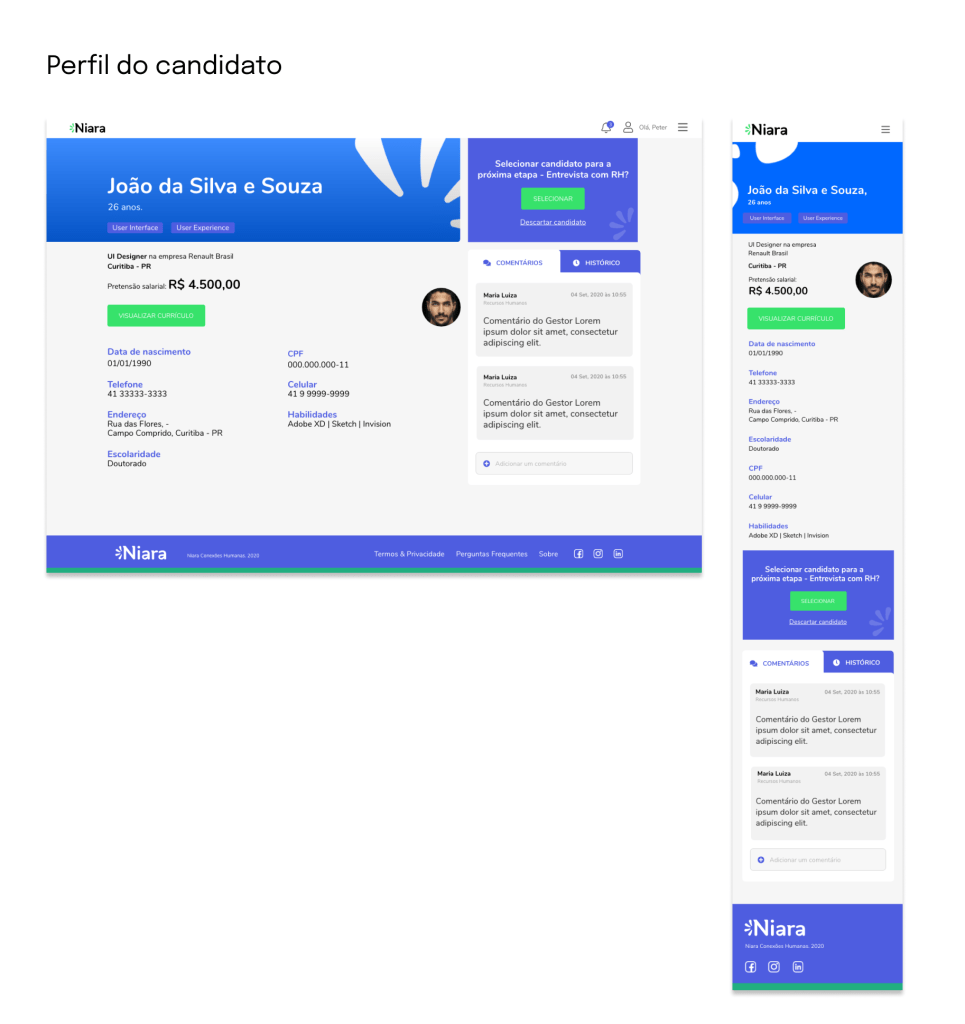
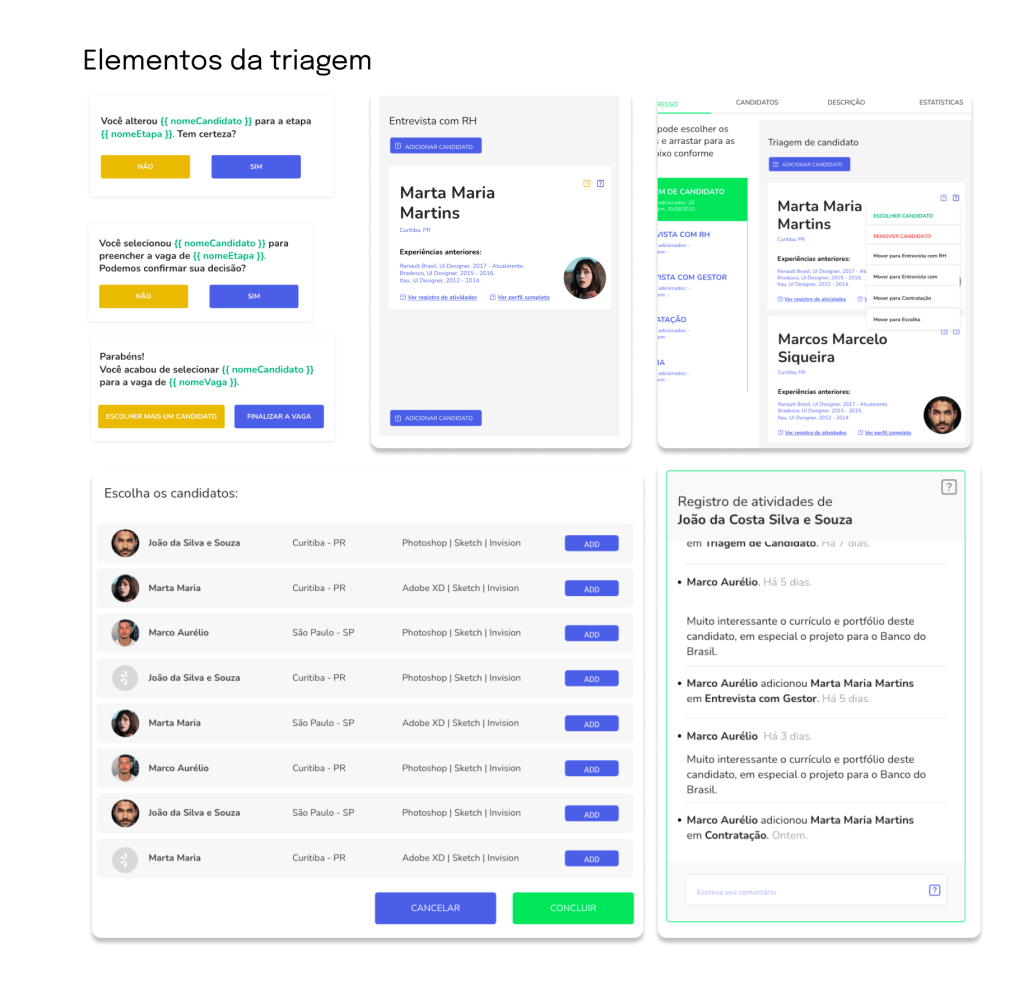
After posting a job, managers could track all applications directly on the opportunity’s page. There, they could view candidate profiles, filter by criteria such as experience or education, and mark statuses like “under review,” “shortlisted” or “in negotiation.” At each stage, the system automatically logged progress, giving managers a complete view of the hiring process without missing a single detail.
Candidate’s Journey
On the other side, candidates who applied to a job could track their application status on that same opportunity page. They could see whether their profile had been viewed, was under review, or had been shortlisted for the next stages. The platform also allowed candidates to receive notifications about updates, keeping them informed and engaged throughout the process.
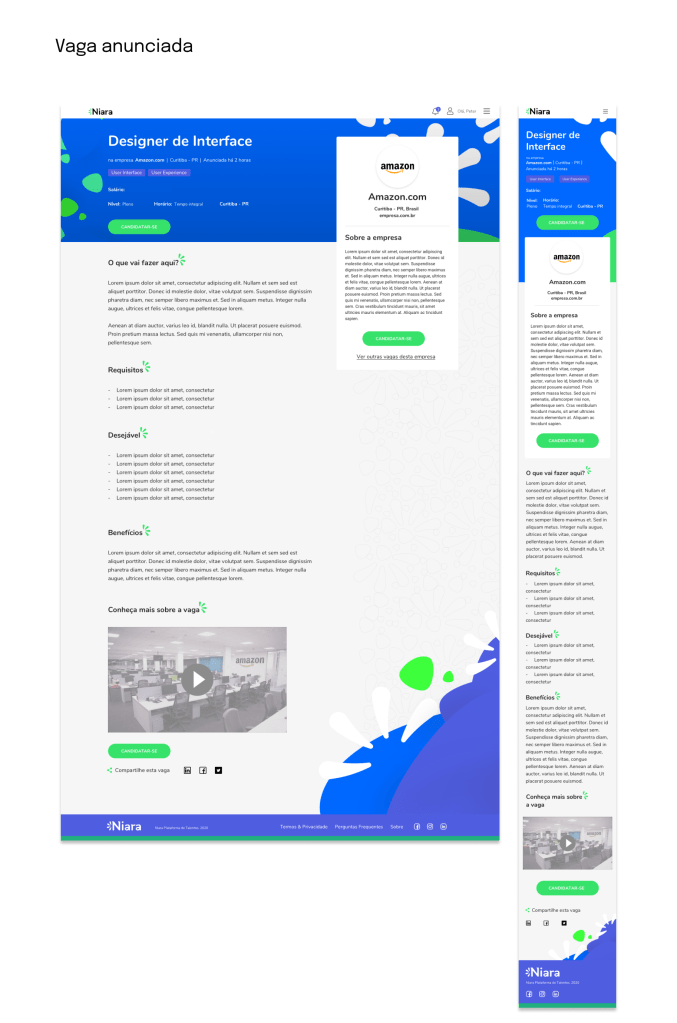
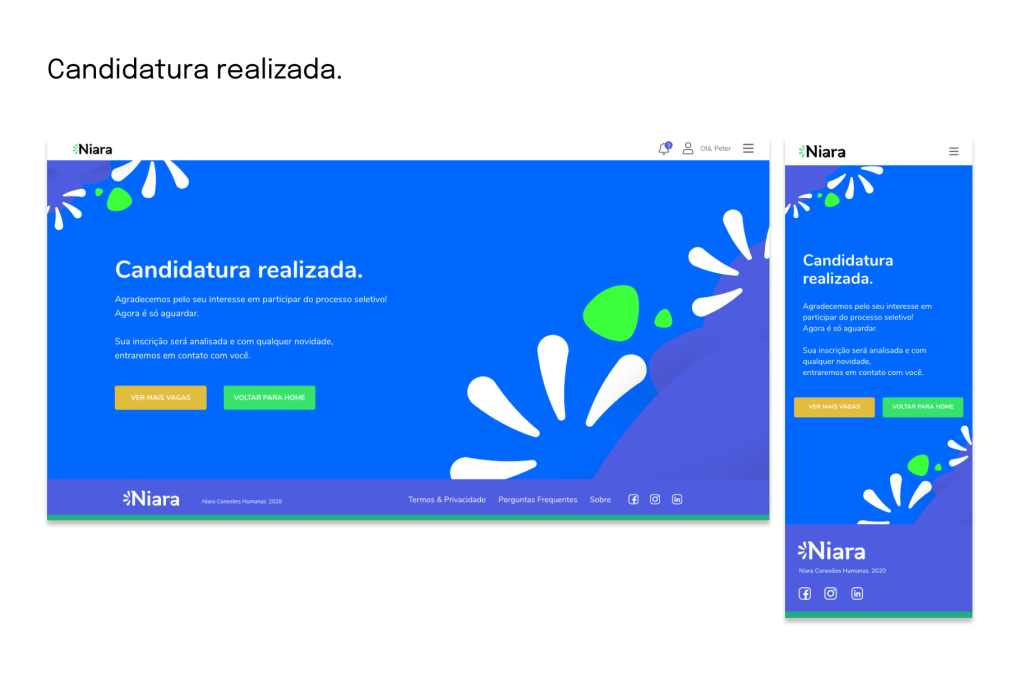
Interaction Through to Hiring
The job page thus became a space for exchange between the profile that created the opportunity and interested candidates. Managers could contact candidates directly through the platform, schedule interviews and negotiate offers. All of this happened in a centralized way, with a visible history for both parties.
When the ideal candidate was found and the hire was finalized, the manager closed out the process on the platform, changing the job status to “completed.” For the hired candidate, the job page became a milestone in their professional journey, the starting point of a new opportunity.
Results
This flow, from posting to hiring, was designed to make the recruitment process more transparent, efficient and human, connecting people and opportunities in a meaningful way.

